
Roses & Thorns
Case Study: Domestic Abuse Awareness Exhibition
Type
Design Case Study
Role
UX Designer
UX Researcher
Facilitator
Industry
Design Competition
Duration
6 Weeks
Tools
Figma, FigJam
Procreate
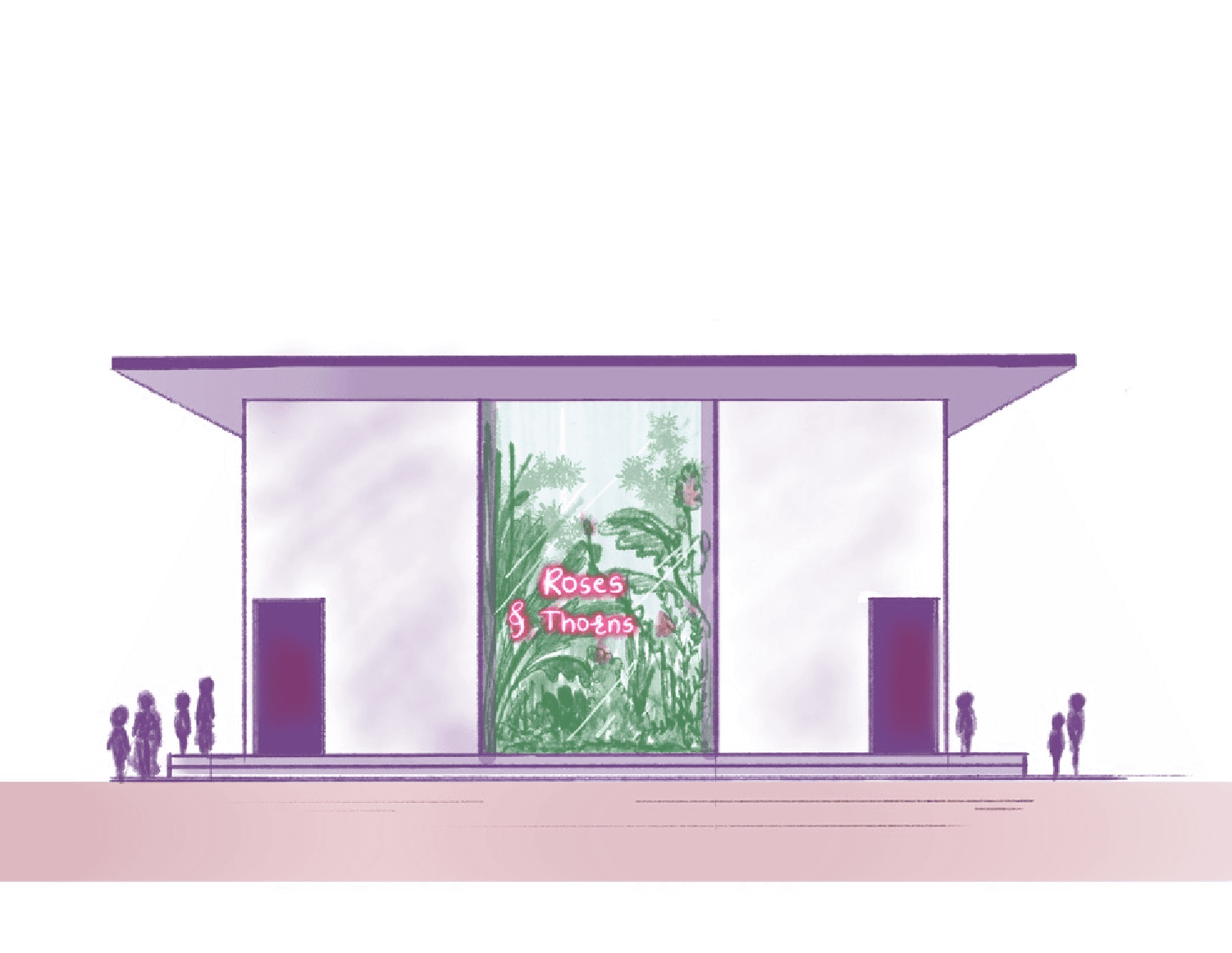
Placeholder for project stats
Problem Statement

Domestic abuse remains a prevalent issue in Southeast Asia, often normalized due to cultural conditioning, stigma around dating, and generational patterns of abusive behavior. Young adults, particularly those in their first romantic relationships, struggle to identify early signs of abuse due to a lack of awareness and proper guidance. This project aimed to create an engaging and informative public exhibition to educate individuals on recognizing unhealthy relationship behaviors before they escalate into abusive patterns.
Research Methods
We conducted extensive research to understand the nuances of domestic abuse in Southeast Asian cultures. Our approach included:
Primary Research:
Interviews with survivors of abusive relationships to gain firsthand insights into their experiences.
User testing of the exhibition concepts with young adults to assess engagement and effectiveness.
Secondary Research:
Reviewing literature on domestic violence, generational trauma, and cultural influences on relationships.
Analyzing Reddit discussions to understand personal experiences and societal perceptions of abuse.
Studying films and media that normalize subtle forms of emotional abuse in relationships.
Design Process
The project evolved through multiple ideation and iteration phases to develop a culturally relevant and emotionally impactful exhibition.
Concept Development
Initial brainstorming focused on gamification, public awareness, and intervention strategies.
Feedback led us to prioritize an educational exhibition format over interactive games to ensure sensitivity to the topic.
Iterative Ideation
Early ideas included role-playing activities and relationship-building exercises, which were revised to avoid triggering participants.
The target audience shifted from couples to friend groups, who can provide objective support and initiate conversations about unhealthy relationships.
Final Exhibition Design
The exhibition consists of six interactive rooms designed to simulate different stages of emotional abuse awareness:
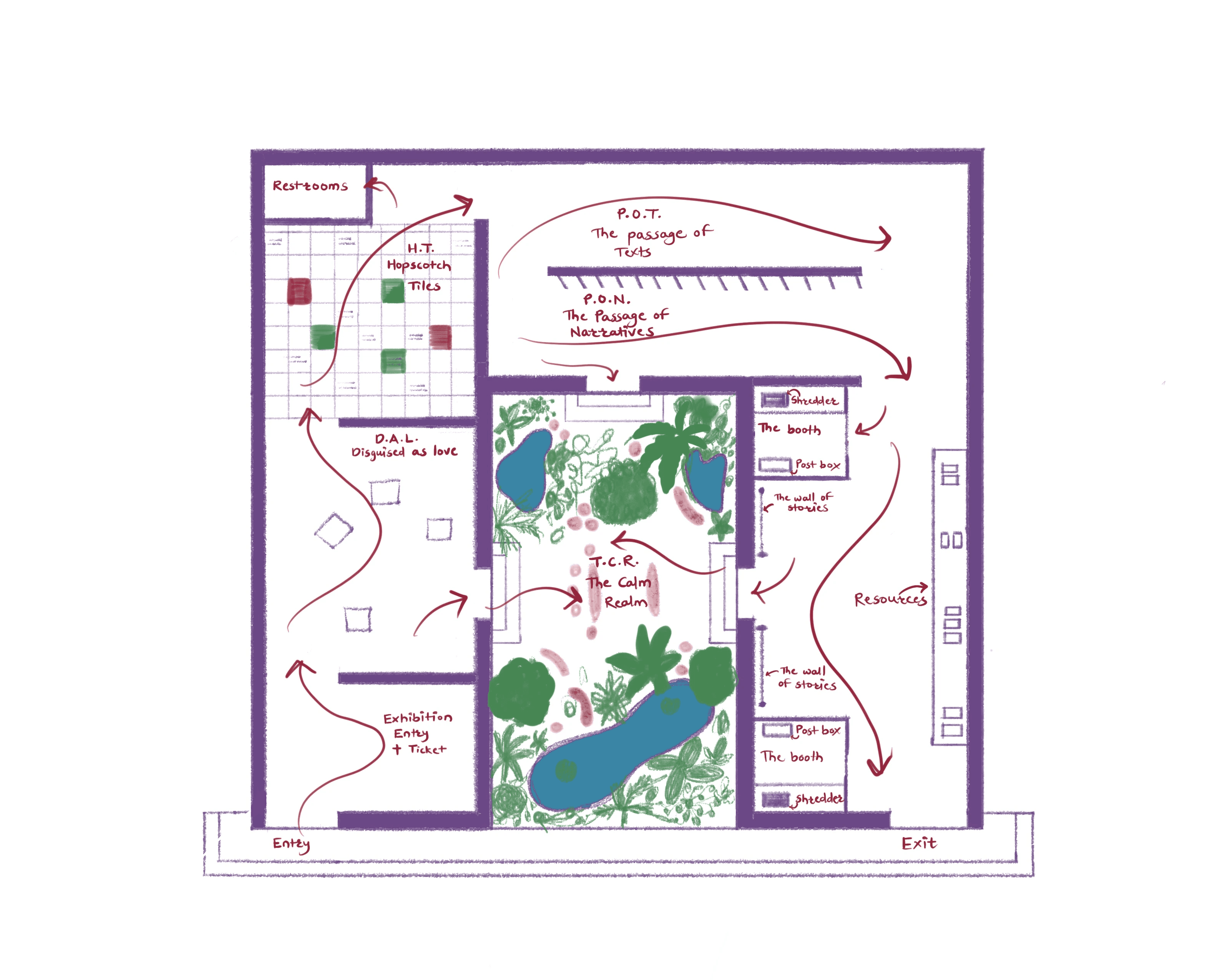
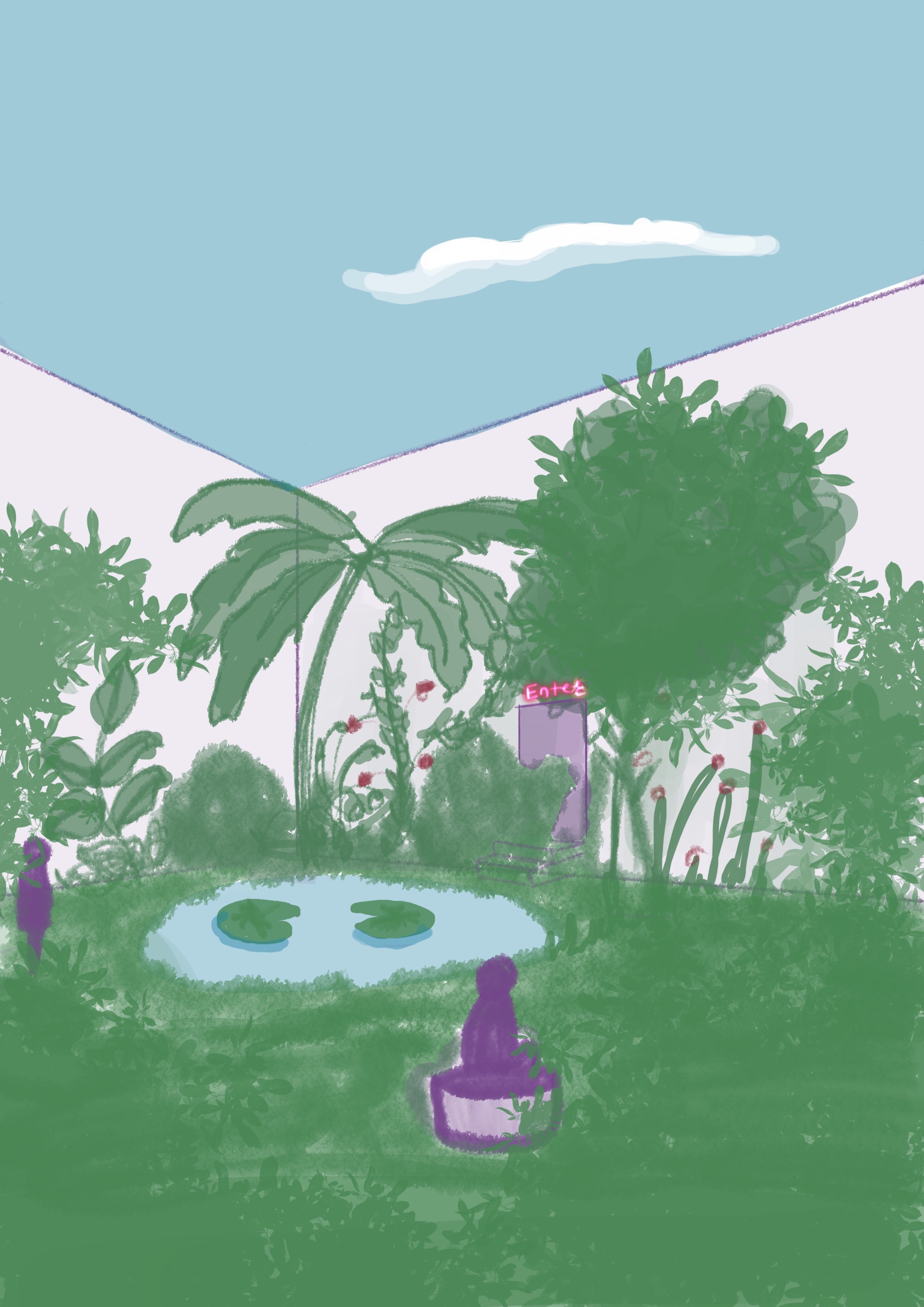
The Calm Realm
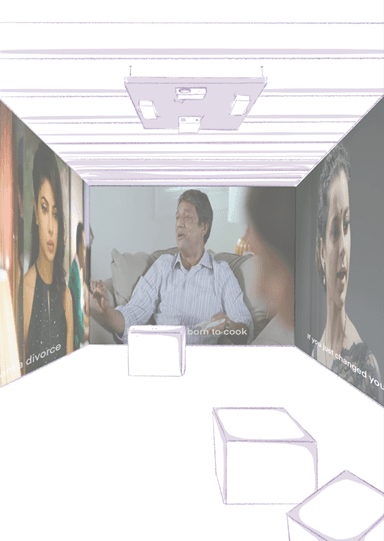
Desguised as Love
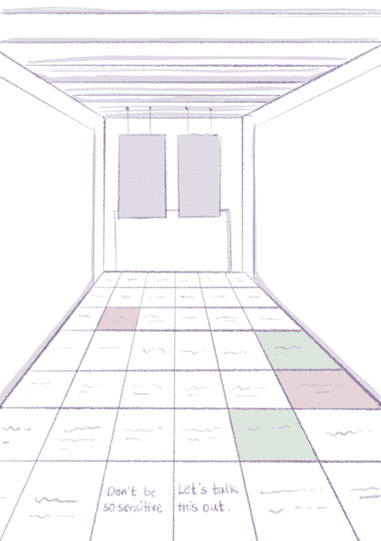
Hopscotch Tiles
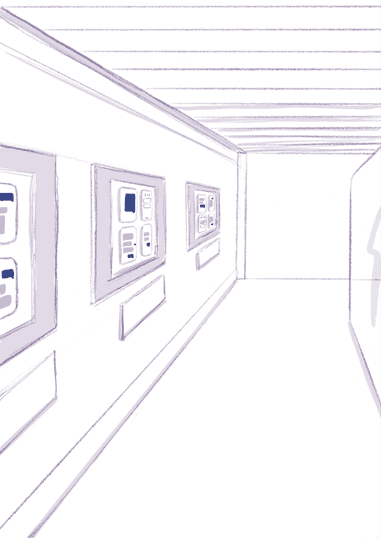
Passage of Texts
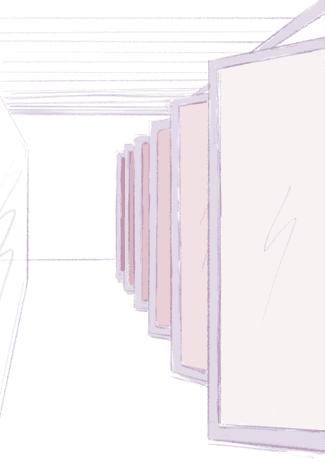
Passage of Narratives
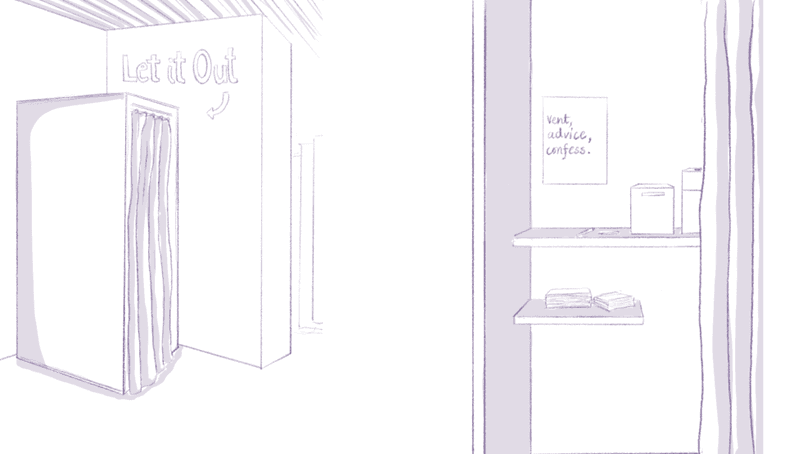
Resource Booth
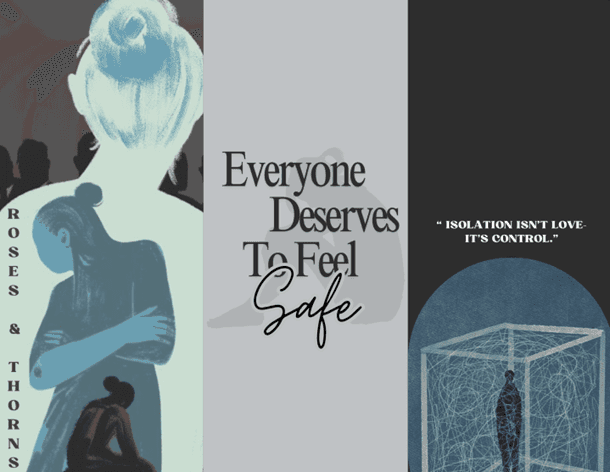
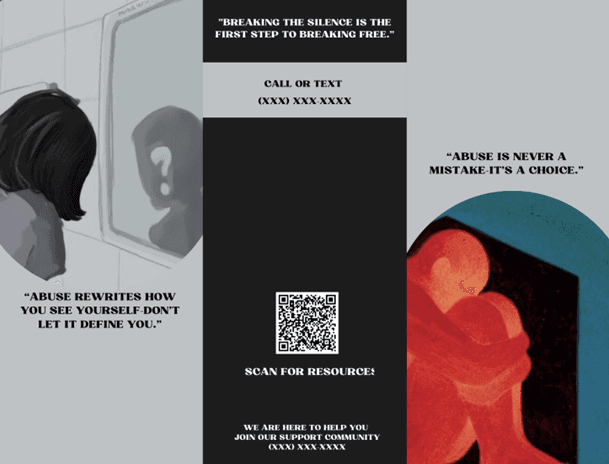
Brochure for awareness
Outcomes and Learnings
User Feedback & Testing Insights
Movie Room (DAL): Users preferred muted audio with subtitles to minimize emotional distress.
Hopscotch Tiles: Participants found the interactive format engaging, making it easier to internalize lessons about healthy versus unhealthy behaviors.
Passage of Texts: Grouping text messages into distinct sections helped visitors process the content without feeling overwhelmed.
Mirror Room (PON): Keeping this space open-ended allowed for personal interpretation without imposing a specific narrative.
Project Impact
Raised awareness among young adults about the early signs of abusive relationships.
Encouraged peer-based support by targeting friend groups rather than individuals in abusive relationships.
Provided a non-judgmental space for visitors to reflect and access resources for further support.
Lessons Learned
Cultural Sensitivity: Addressing abuse within the framework of Southeast Asian norms helped engage the audience more effectively.
Emotional Considerations: The need for exit options and calming spaces was crucial to prevent re-traumatization.
Communication Approach: Focusing on subtle behaviors rather than overt abuse made the exhibition more accessible and thought-provoking.
Future Opportunities: Expanding to an online platform and multilingual accessibility would help reach a broader audience.
Let's connect and contribute to better experiences!